


Electrical Safety Supervisors, Do you know your workers? Years ago, during my time at a company, I had the opportunity to work closely with a highly experienced high-voltage electrician. While he taught me many valuable lessons, I often found myself questioning some of his methods, as they seemed unsafe. Being new to the trade, I had a deep respect for high-voltage work, but certain practices in the workplace raised concerns. The manager, who had limited…

Determining Shock and Arc Flash Boundaries When Performing Thermography on Energized Electrical Equipment
Introduction The first instrument invented for testing electrical systems was the Megger megohmmeter patented in 1905 for evaluating insulation, arguably the most important component in an electrical system. The problem is that a megohmmeter is only effective in evaluating insulation condition in a deenergized state. Therefore, it often cannot detect conditions that can cause insulation to deteriorate or fail prematurely. Some 70 years later, thermal scanning of electrical systems was capable of…

Glove Testing FAQ
Glove Testing FAQ with JM Test Systems Q: How frequently are gloves supposed to be tested? A: If the pair of gloves are new, and have never been tested before, they must be tested within 12 months of being put into service, for the first time. Once the pair of gloves have been tested for the first time, whether they have been used or not, they are required…
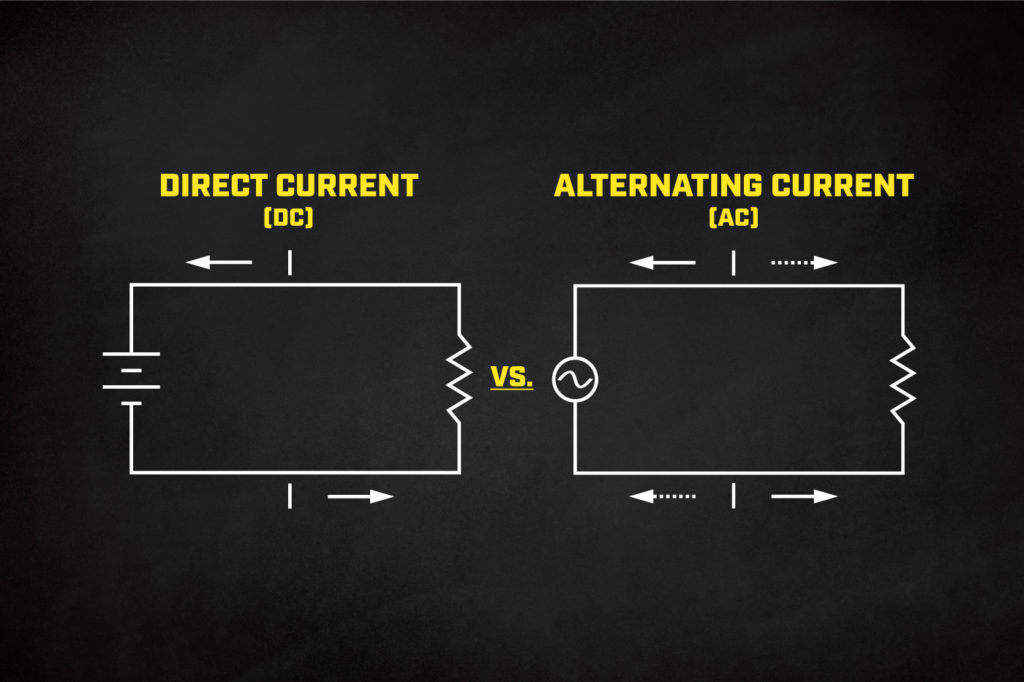
AC vs DC Voltage – What is the Difference?
Written by: Craig F. Nelson, Electrical Specialist CESCP, CESW Certified You will notice that gloves are rated in AC and DC voltages. Class 00, for example, is rated 500 Vac/750 Vdc. Why are they rated lower for AC than DC, or why are they rated higher for DC than AC? Anybody ever wonder about that? I hope somebody has! What…

Non-Destructive Testing (NDT)
Non-Destructive Testing (NDT) with JM Test Systems Non-destructive testing (NDT) available on critical pins, welds, fasteners, and any other component termed “critical structural components” by the manufacturer. NDT is a useful method of inspecting for sub-surface degradation without damaging the components on the truck. Non-destructive testing can be performed on Aerial Lift Devices, Digger Derricks, other tracked and wheeled units that may have critical components as identified by the manufacturer. JM Test Systems can…

Temporary (Portable) Protective Grounding Requirements
For more information on grounding items, visit our Grounding Cable page here. If you have further questions, do not hesitate to contact us at 1-800-353-3411. National Electrical Safety Code® (NESC®) 2017 Section 12, Installation and Maintenance of Equipment, Paragraph 123 Protective Grounding says in part: “Provisions must also exist for grounding during maintenance. When a conductor, bus section, or piece of equipment is disconnected for maintenance, it must be grounded. The grounding can be done with…
