

BATON ROUGE, La. – – JM Test Systems (“JM Test”), a leading full-service provider of test and measurement solutions offering accredited calibration, repair, and equipment rental and sales across North America, today announced the acquisition of McMurray Technical Services (“McMurray Technical”), a calibration services provider serving highly regulated industries, headquartered in McMurray, Pennsylvania. The acquisition strengthens JM Test’s position as a comprehensive test equipment service provider by expanding its calibration…
PRESS RELEASE – JM Test Systems Acquires Alltite, Expanding Calibration Capabilities Across the Central United States
BATON ROUGE, La. – July 21, 2026 – JM Test Systems (“JM Test”), a leading full-service provider of test and measurement solutions offering accredited calibration, repair, inspection, and compliance services, as well as equipment rental and sales across North America, today announced the acquisition of Alltite, LLC (“Alltite”), a respected provider of calibration and torque equipment services headquartered in Wichita, Kansas.
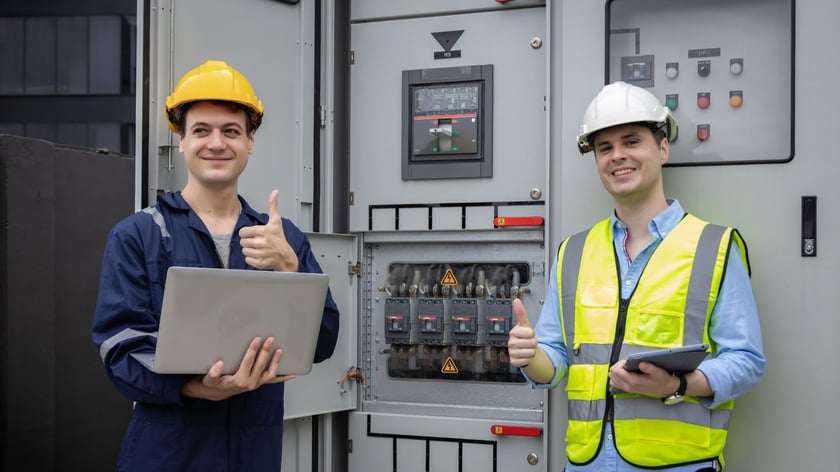
Common Electrical Failures Found During Startup & Commissioning
Startup and commissioning represent one of the most critical phases in the life of an electrical system. This is the moment when design assumptions meet real-world conditions, when equipment is energized for the first time, and when installation quality is truly tested. While most systems appear complete on paper, commissioning frequently uncovers issues that would otherwise remain hidden until they cause failures, downtime, or safety incidents. Understanding the most common electrical failures found during
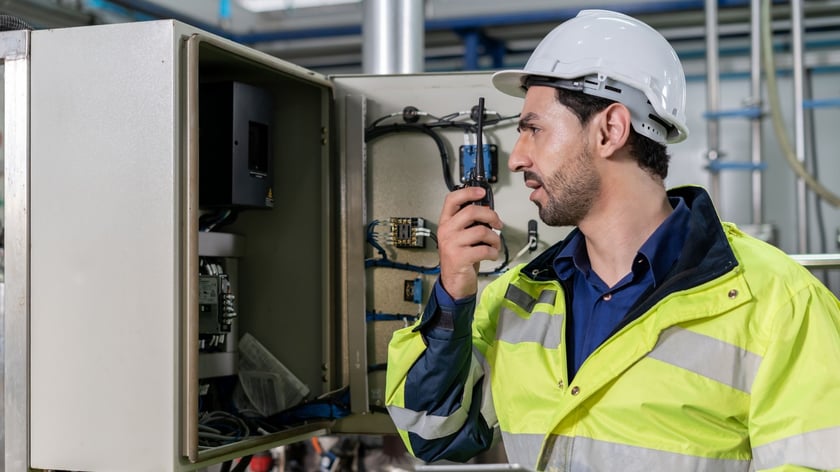
Startup & Commissioning Explained
Electrical startup and commissioning mark the most decisive moment in the life of an electrical system. This is the point where design intent, installation quality, and real-world operating conditions converge. Contractors who understand the broader electrical testing requirements contractors must follow are far more likely to avoid failed inspections, safety risks, and costly startup delays. It provides structured verification that systems are safe, functional, and ready for service before full operational risk is introduced. For…
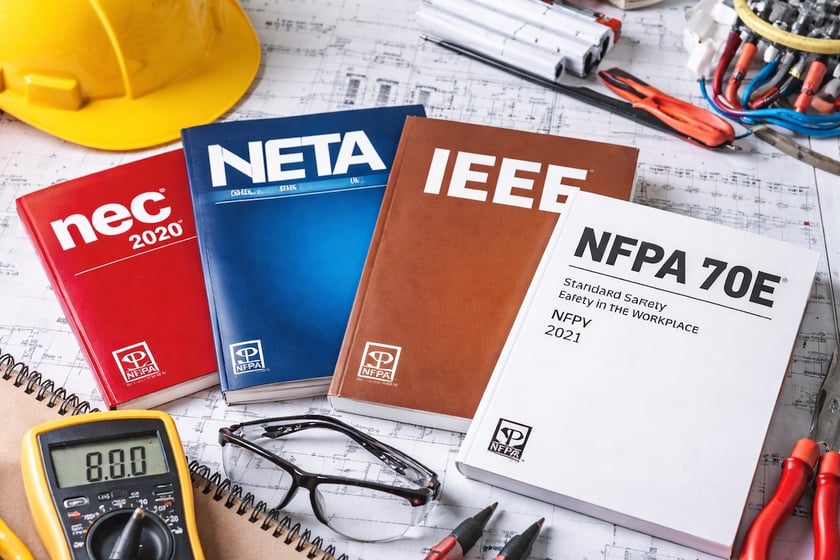
Understanding NEC, NETA, IEEE & NFPA-70E Standards
Electrical work operates in a high-risk environment where mistakes can lead to serious injury, equipment damage, or catastrophic downtime. To reduce those risks, the electrical industry relies on a framework of codes and standards that define how systems should be installed, tested, maintained, and worked on safely. Four names come up repeatedly on job sites, specifications, and inspection reports: NEC, NETA, IEEE, and NFPA 70E. While they often appear together, they serve very different purposes….

VDC vs VAC Voltage
Understanding the difference between VDC (Volts Direct Current) and VAC (Volts Alternating Current) is fundamental for electrical contractors, maintenance teams, and commissioning engineers. In modern facilities, AC and DC systems operate side by side often within the same piece of equipment. Misidentifying voltage type, measuring it incorrectly, or overlooking quality issues can lead to nuisance trips, equipment damage, safety risks, and costly downtime. This guide breaks down VAC vs VDC from a practical testing and…
