

Understanding the Importance of Certification Methods Unravel the complexities of calibration and ensure your measurements are always on point and the essential ‘why’ and the practical ‘how’ to achieve certified accuracy for all your calibration needs. The Cost of Inaccuracy Imagine radiation machines delivering lethal overdoses, deadly workplace accidents, a bridge collapse, or a multi-million-dollar space craft lost to a small conversion error. These are not hypothetical scenarios, but real-world disasters…

What is a Calibration Certificate?
A certificate of calibration is a document that contains information about your equipment’s calibration. This provides valuable information on the quality and measurement accuracy of the equipment. This is based on the standards that were put in place by the National Institute of Standards and Technology (NIST). What Should a Calibration Certificate Include? If you look at the certificate, you will notice it has a various amount of information. This information should be about the equipment,…
Why is Calibration Important?
Inaccurate parts produced by uncalibrated machinery can lead to high rates of rejected products, resulting in significant material waste and production inefficiencies. Your business faces not just the immediate costs of scrapped materials, but also extended production times and missed deadlines that ultimately threaten profitability. The calibration of equipment plays a crucial role in maintaining accuracy, standardization, and repeatability in measurements. Furthermore, proper calibration ensures your products meet quality standards and safety requirements, which is…

What is Calibration?
Did you know that calibration standards require measurement devices to be four times more accurate than the equipment being tested? This Test Accuracy Ratio (TAR) of 4:1 explains the precision needed in modern measurement systems used by professional calibration services. Calibration matters more than simple accuracy. Your measurement precision naturally deteriorates over time, which makes regular calibration necessary. Understanding this process becomes significant when your instruments need monthly or annual…

Custom Apps and Products by Vaetrix
Tired of being stuck with a product or app that just doesn’t meet your specific needs or perhaps could use a slight tweak? Well, we are one of the few manufacturing companies that may be able to help out. We enjoy new challenges, especially if it’s involved around our core measurement technology. If you have an idea for a specific product or app reach out to us. The…
What is Instrumentation?
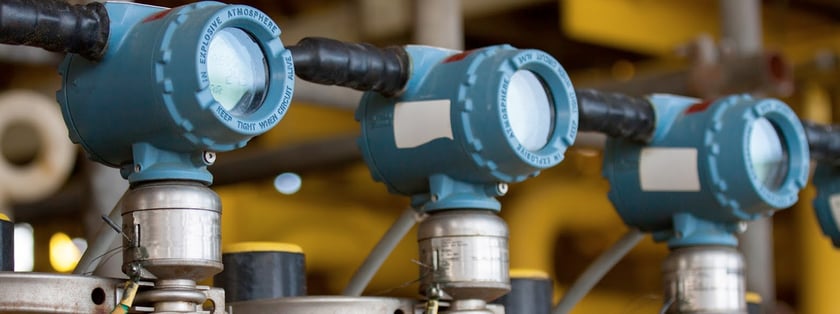
Instrumentation is the design, equipping, and/or use of measuring instruments in determining real-life conditions in a plant’s process, as for observation, measurement and control. Instrumentation technicians will install, maintain and calibrate devices used in the automation of industrial processes. The importance of accuracy in instrument measurements is 1) Safety of people and equipment, 2) Quality of the product being created and 3) Profitability of the business. At JM Test Systems, we offer many…
