

Electrical testing plays a critical role throughout the lifecycle of an electrical system. Yet many electrical contractors encounter confusion around two commonly referenced testing phases: commissioning testing and maintenance testing. While both are essential, they serve different purposes, occur at different times, and answer very different questions about system performance and safety. Understanding the distinction between commissioning and maintenance testing helps contractors meet project requirements, avoid inspection delays, and support long-term reliability for their clients….
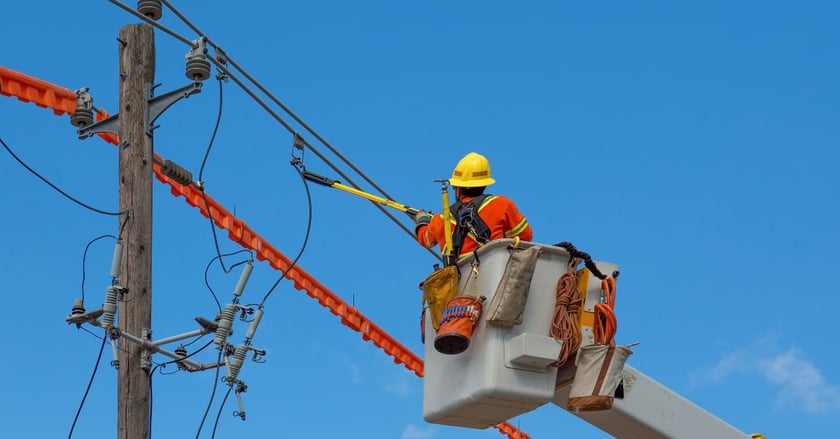
What Electrical Contractors Need to Know About Testing Requirements
Electrical testing plays a critical role in safety, system reliability, and regulatory compliance. For electrical contractors, understanding testing requirements is no longer optional, it is a core part of delivering professional, code-compliant work. Whether you are involved in new construction, system upgrades, or ongoing maintenance, testing requirements directly impact inspections, approvals, and long-term performance. As electrical systems become more complex and scrutiny around safety increases, contractors who understand testing fundamentals are better positioned to avoid…
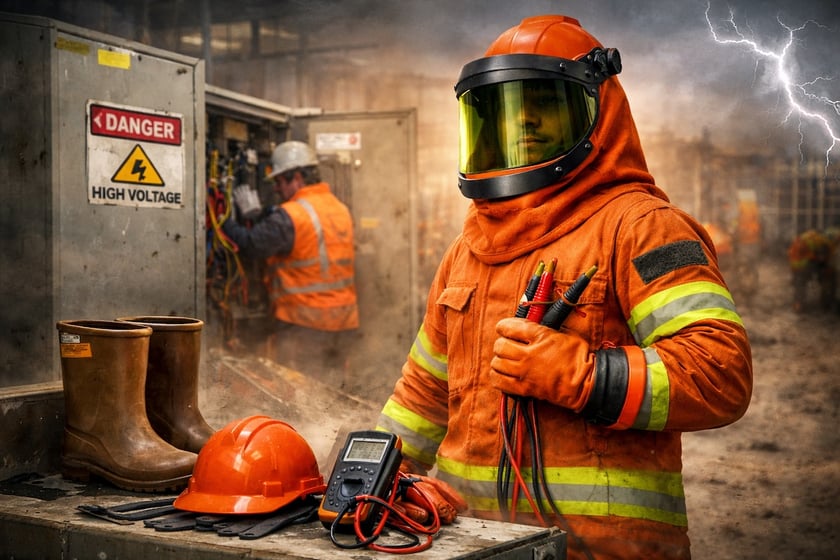
Why Electrical Safety PPE Testing Is Required on Job Sites
Electrical work exposes contractors to some of the most serious hazards on a job site. Arc flash events, electrical shock, and unexpected equipment failures can cause severe injury or fatality in fractions of a second. Electrical safety personal protective equipment, commonly referred to as PPE, exists to reduce that risk: but PPE only protects workers when it performs as intended. That is why electrical safety PPE testing is required on job sites. Testing verifies…

Fluke TS90 vs TS100
Telecommunications technicians rely on accurate, durable test sets for verifying, maintaining, and troubleshooting copper-based telephone and network circuits. Among the most reliable options on the market are the Fluke TS90 and Fluke TS100 telephone test sets — two models known for their rugged design, precision diagnostics, and ease of use in demanding field conditions. While both cable fault locators share a similar purpose, they differ in how they handle line conditions, voltage…
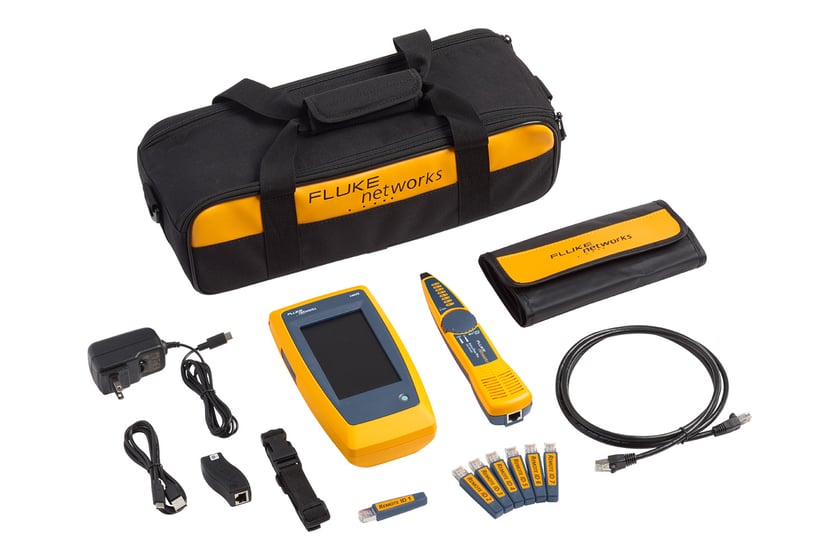
Fluke CableIQ vs LinkIQ
When verifying network cabling, precision, speed, and diagnostic depth are essential. Fluke Networks, a long-established leader in cable testing and verification, has long provided tools for installers, technicians, and IT professionals responsible for structured cabling systems. Historically, the Fluke CableIQ Qualification Tester was one of the most widely used instruments for copper cable qualification. Today, that role has been assumed by the Fluke LinkIQ Cable + Network Tester, which supersedes CableIQ and expands its…
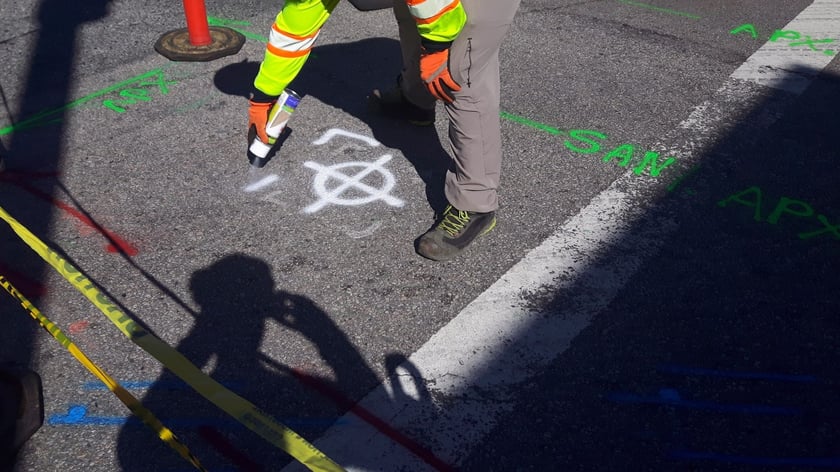
Cable Fault Testing
Electrical cables are essential to the operation of countless systems, from utility grids to industrial equipment. However, when something goes wrong inside a cable, like a short, break, or other discontinuity, finding the precise location of the fault can be complex and difficult. That’s where cable fault testing comes in. Advancements in technology of locating equipment combined with a logical progression of diagnostics and measurement has helped reduce downtime and loss…
