
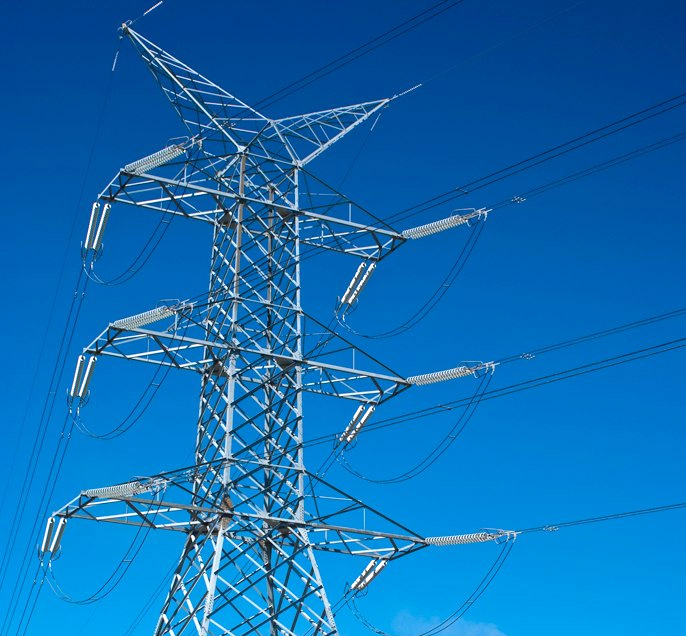
TAN δ (Delta) Cable Testing for Transformers, Switchgear & Bushings Tan Delta testing, also known as Loss Angle or Dissipation Factor testing, is a proven diagnostic method for assessing the quality and condition of high-voltage cable insulation. The test primarily focuses on measuring the tan delta, which is the tangent of the loss angle of…
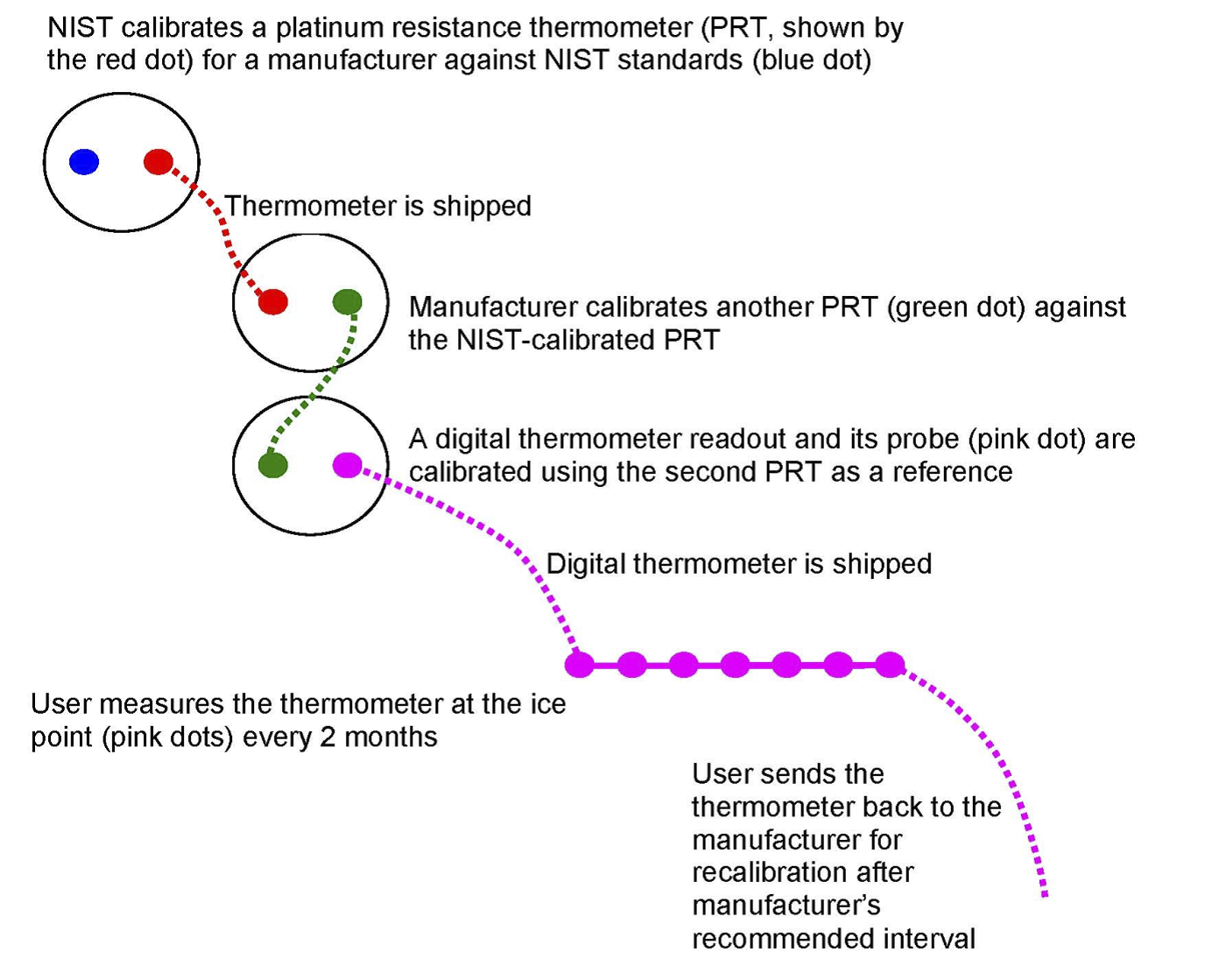
What is Traceability?
Traceability plays a critical role in modern supply chains, regulatory compliance, and quality assurance. At its core, traceability refers to the ability to track and verify the history, location, and application of an item through recorded identification. Organizations use traceability to enhance transparency, improve efficiency, and ensure accountability across various sectors, including manufacturing, food production, healthcare, and information technology. The Purpose of Traceability Traceability enables companies to monitor the flow of products and components from origin…
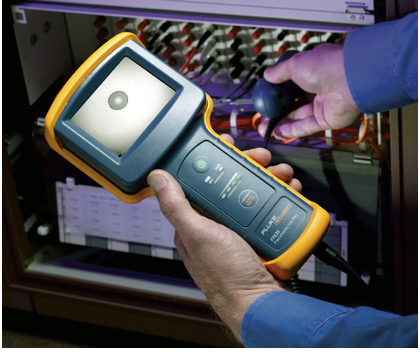
What’s the #1 Cause of Fiber Network Failure?
What’s the problem? Fiber basics Fiber optic cabling carries pulses of light between transmitters and receivers. These pulses represent the data being sent across the cable. In order for the data to be transmitted successfully, the light must arrive at the far end of the cable with enough power to be measured. Light loss between the ends of a fiber link comes from multiple sources such…

BSPT vs NPT vs BSPP: Which Thread Standard Should You Use?
Pipe fitting selection for pressure systems requires a solid understanding of BSPT, NPT, and BSPP thread standards to create leak-free connections and maintain system integrity. NPT (National Pipe Thread) seals remain the most popular choice in pressure calibration systems across the U.S. and Canada. BSPP (British Standard Parallel Pipe) leads the market in the UK, Europe, Asia, Australia, New Zealand, and South Africa. Chinese and Japanese systems commonly use BSPT (British Standard Pipe Taper), though it’s rare…

How To Protect Yourself from Electrical Shocks Using Insulation Resistance Testing
Why Have an Insulation Resistance Testing Program? A regular program of insulation resistance testing is strongly recommended to: Prevent electrical shocks Assure safety of personnel Reduce or eliminate down time Detect deterioration of insulation Evaluate the quality of repairs This type of program is helpful in identifying when to schedule repair work such as: vacuum cleaning, steam cleaning, drying and rewinding. Quality…
How to Reduce Electromagnetic Interference (EMI) And Its Effects
Electronic devices malfunction when electromagnetic interference (EMI) disrupts their operation. Engineers and technicians in military, defense, communication, appliance, and aerospace industries need to know how to reduce EMI. EMI can cause problems ranging from minor glitches to complete system failures. Electromagnetic compatibility (EMC) is a vital part of electrical equipment’s ability to work properly in an electromagnetic environment. Both manufacturers and users consider this one of their biggest concerns. Most electronic devices must comply with EMI regulations like…
