

 Gas Detection
A gas detector is a device which detects the presence of various gases within an area, usually as part of a safety system. This type of equipment is used to detect a gas leak and interface with a control system so a process can be automatically shut down. A gas detector can also sound an alarm to operators in the area where the leak is occurring, giving them the opportunity to leave the area. This type of device is important because there are many gases that can be harmful to organic life, such as humans or animals.
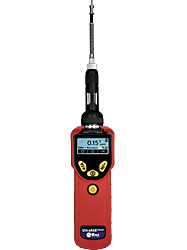
Gas detectors (like the Rae Systems QRAE II and RAE Benzene/VOC detectors) can be used to detect combustible, flammable and toxic gases, and oxygen depletion. This type of device is used widely in industry and can be found in a variety of locations such as industrial environments, to monitor manufacturing. They may also be used in firefighting and confined space entry access points. Detection is normally for personnel safety but in some cases can be designed to quantify some gas concentrations. In either case, it is important to have your equipment checked and calibrated before use.
Gas detectors are usually battery operated. They transmit warnings via a series of audible and visible signals such as alarms and flashing lights, when dangerous levels of gas vapors are detected. As detectors measure a gas concentration, the sensor responds to a calibration gas, which serves as the reference point or scale. As a sensor’s detection exceeds a preset alarm level, the alarm or signal will be activated. As units, gas detectors are produced as portable or stationary devices. Originally, detectors were produced to detect a single gas, but modern units may detect several toxic or combustible gases, or even a combination of both types.
All gas detectors must be calibrated on a schedule. Of the two types of gas detectors, portables must be calibrated more frequently due to the regular changes in environment they experience. A typical calibration schedule for a fixed system may be quarterly, bi-annually or even annually with some of the more robust units. A typical calibration schedule for a portable gas detector is a daily bump test accompanied by a monthly calibration. Almost every portable gas detector out there has a specific calibration gas requirement which is available from the manufacturer you purchased your monitor from. Check with the manufacturer’s manual on the specific type of detector being utilized. Check with your calibration lab for insight and suggestions on how best to proceed with testing your gas detecting equipment.
JM Test Systems gas monitors and detection equipment rentals and gas detection equipment sales for all your facility needs.
We carry Rae Systems, AEMC, Cosa Instrument and Fluke gas/air detection equipment
RAE Benzene/VOC detectors
Call us for a quote today at 800-353-3411.
Article by Dallas Ballmer; Metrologist
