

Hipot Testers & Equipment

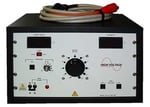
Showing 73–79 of 79 results
-

Phenix Technologies BK60 Aerial Lift Test Kit Set – 60 k VAC output
SKU: BK60 -

Phenix Technologies LD100 Liquid Dielectric Test Set – rated at 100kV
SKU: LD100 -

Phenix Technologies LD60 Liquid Dielectric Test Set – rated at 60kV
SKU: LD60 -

Phenix Technologies LD75 Liquid Dielectric Test Set – rated at 75kV
SKU: LD75 -

Phenix Technologies PAD 56 Hipot Megohmmeter
SKU: PAD 56 -

Phenix Technologies PAD10-25 Hipot Meghommeter
SKU: PAD10-25 -

Vitrek V71 AC/DC Hipot Tester
SKU: V71
HIPOT Tester Industrial Uses
Ensuring Electrical Safety: HIPOT testers are crucial in verifying electrical insulation in products and ensuring they are safe for use. They are widely used in the manufacturing of electrical appliances, cables, and components to prevent electric shock hazards.
Quality Control in Manufacturing: In the industrial manufacturing sector, HIPOT testers play a vital role in quality control. They are used to ensure that products meet safety standards and regulations, which is essential for maintaining brand integrity and consumer trust.
Preventive Maintenance and Troubleshooting: Beyond manufacturing, these testers are used in the maintenance of electrical systems. They help in identifying insulation breakdowns, preventing potential failures and accidents in industrial settings.
Compliance with Industry Standards: HIPOT testers are essential for industries to comply with various national and international electrical safety standards. They are used in testing a wide range of products, from small household appliances to large industrial machinery.
How HIPOT Testers Work
Basic Principle: The fundamental principle of a HIPOT tester is to apply a high voltage to a device’s insulation and measure the current that leaks through. This test helps in determining the adequacy of the insulation in protecting users from electrical shocks.
Test Process: In a typical HIPOT test, the device under test is connected to the tester. A high voltage, higher than the device’s operational voltage, is then applied. This voltage is maintained for a specific time to check the insulation’s ability to hold this stress without breakdown.
Measurement and Interpretation: The HIPOT tester measures the amount of leakage current flowing through the insulation. The results are then interpreted based on predefined standards – a low leakage current indicates good insulation, while a high leakage current suggests potential insulation failure.


